C
CINEMA
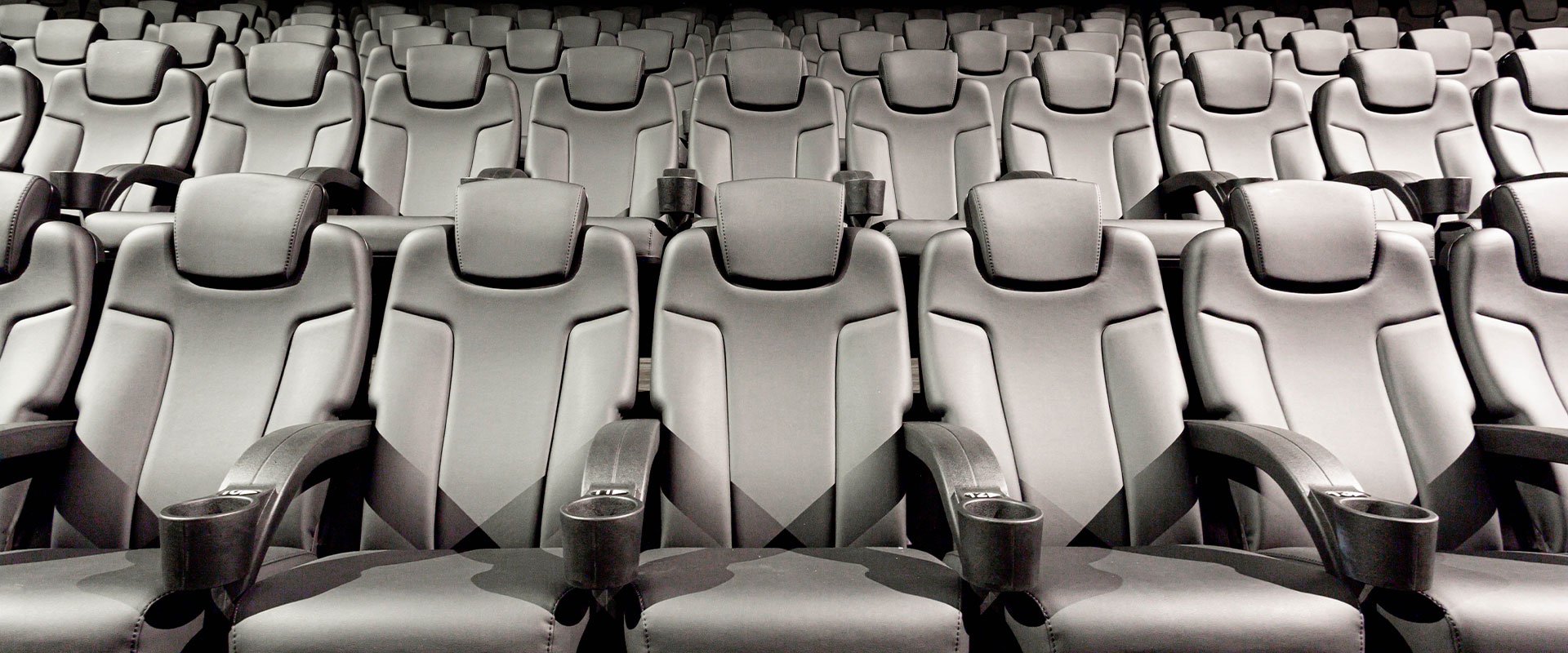
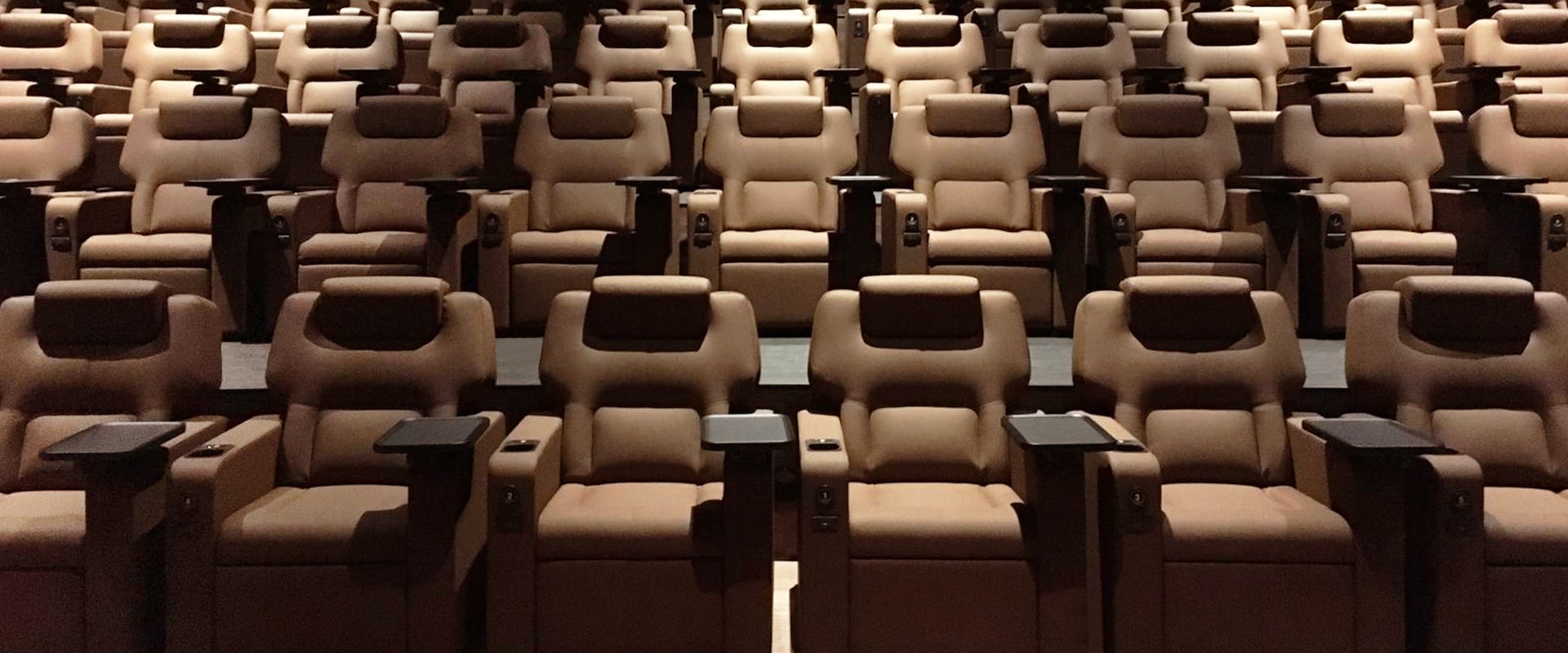
For over a century, Figueras Seating has defined excellence in cinema seating, masterfully combining craftsmanship and innovation to enhance the cinematic experience. Our journey began in a Barcelona small carpentry workshop, setting the foundation for a legacy that has spanned the globe.
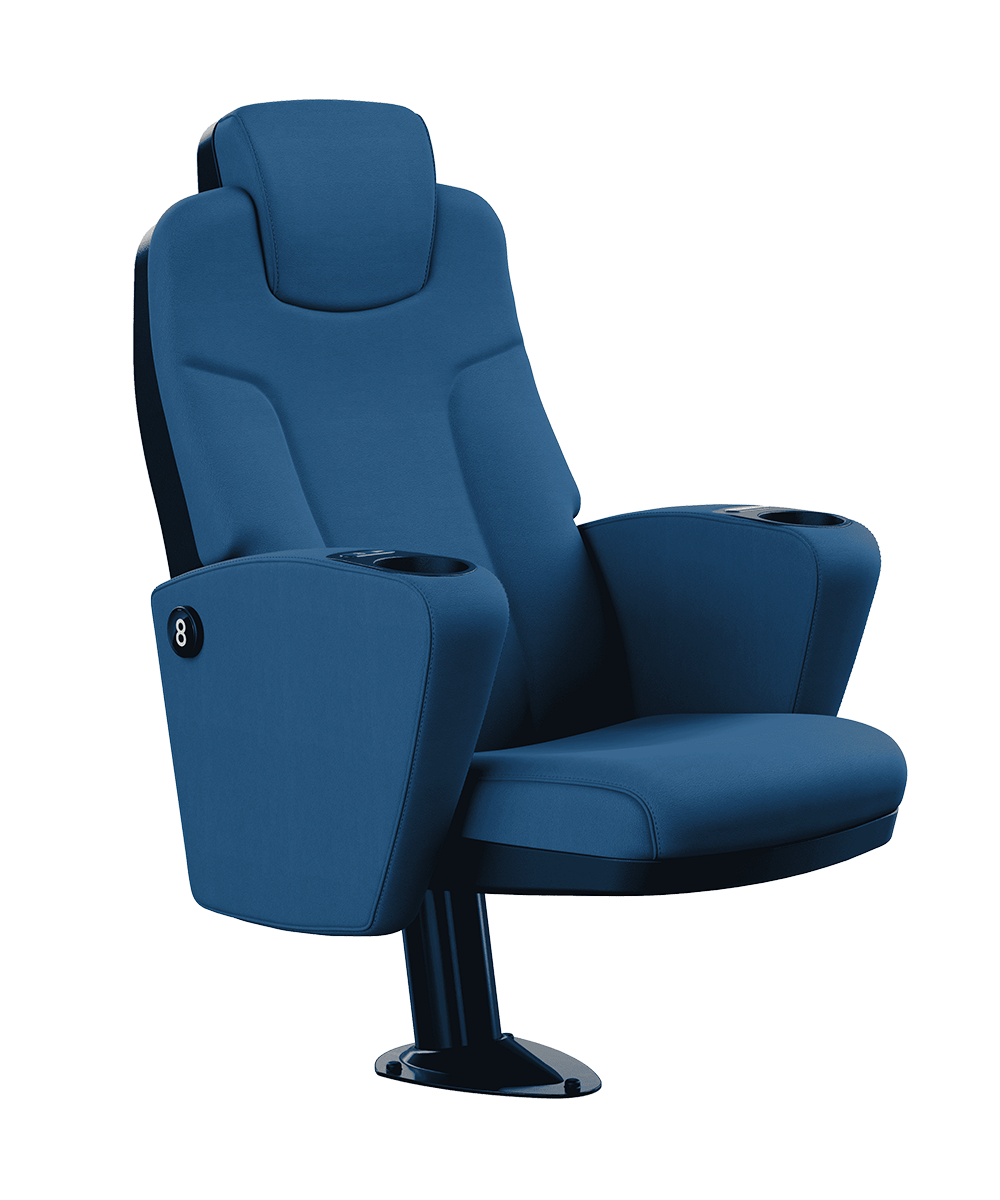
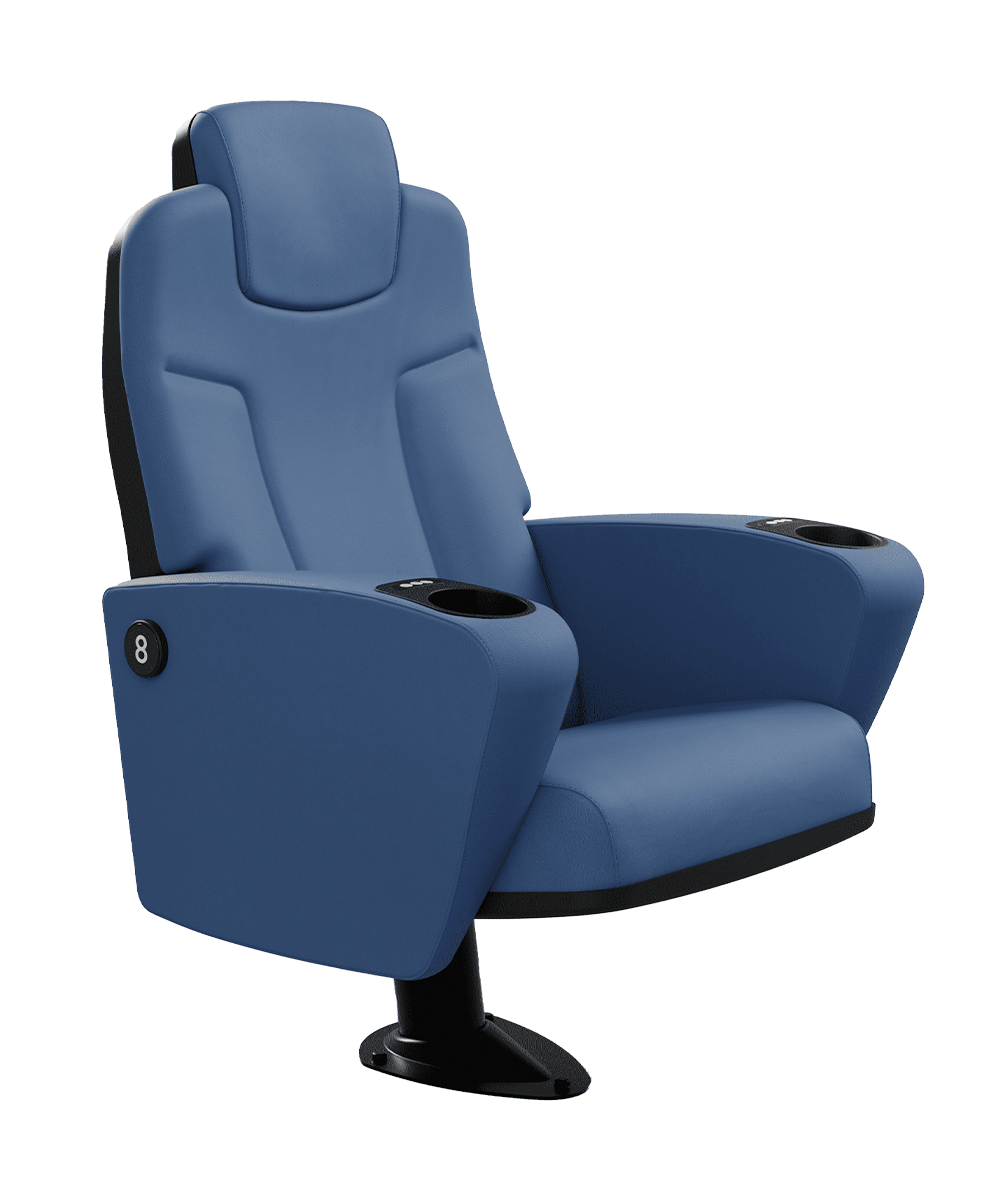
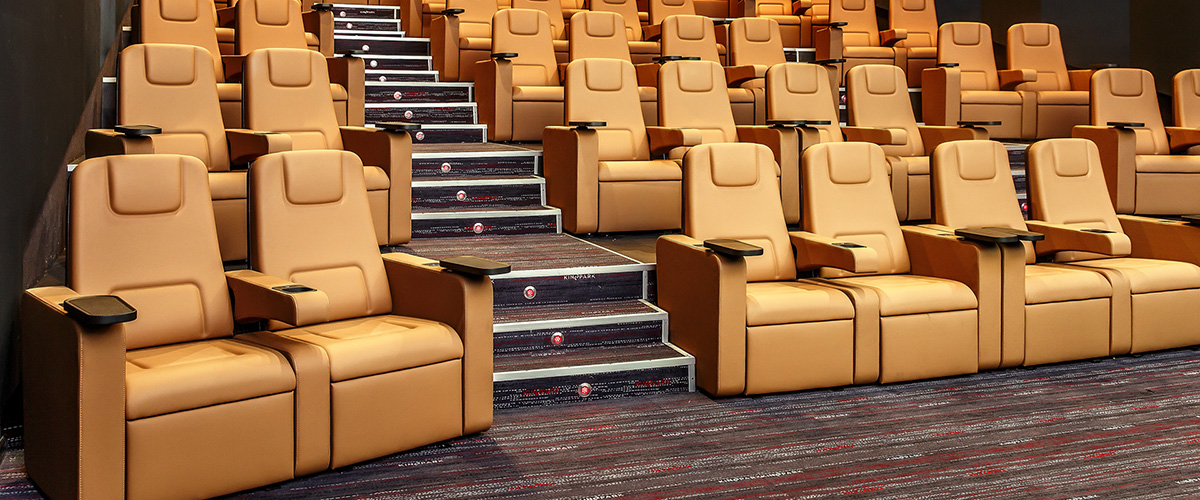
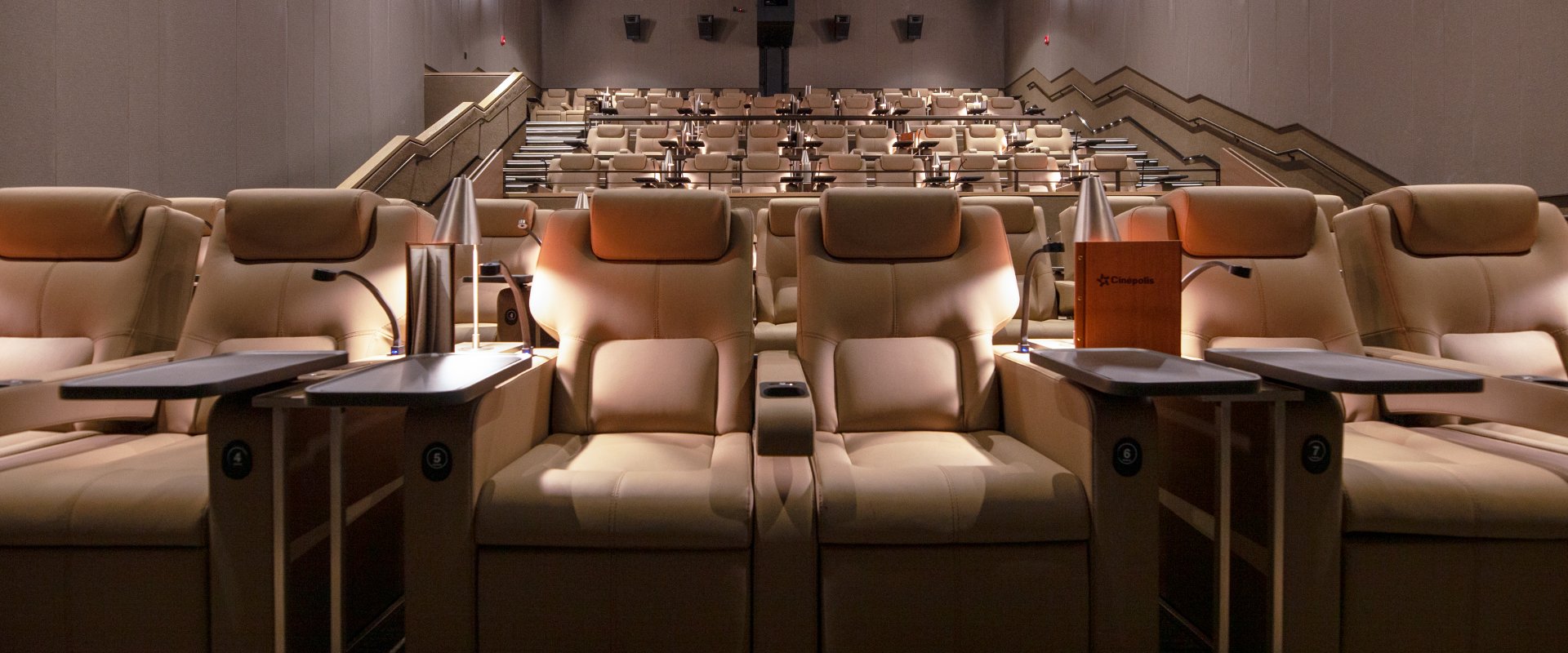
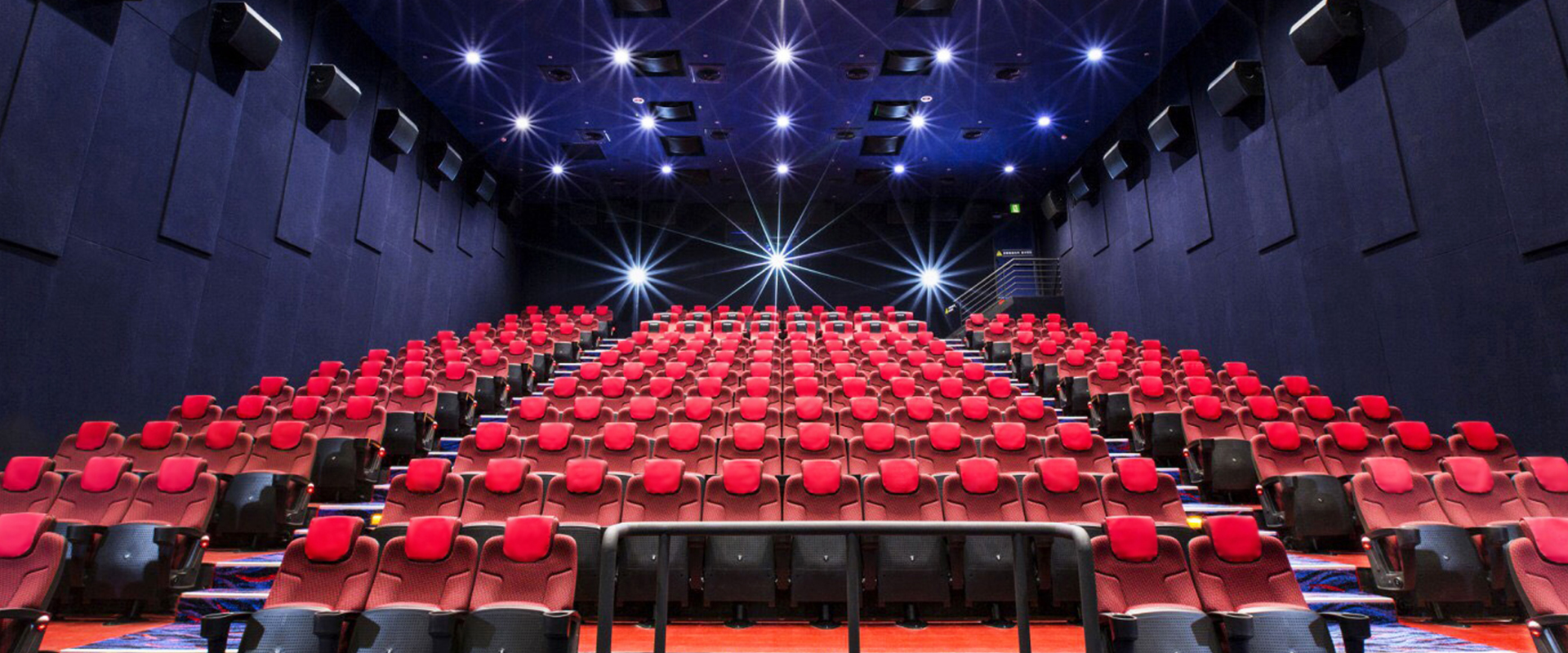
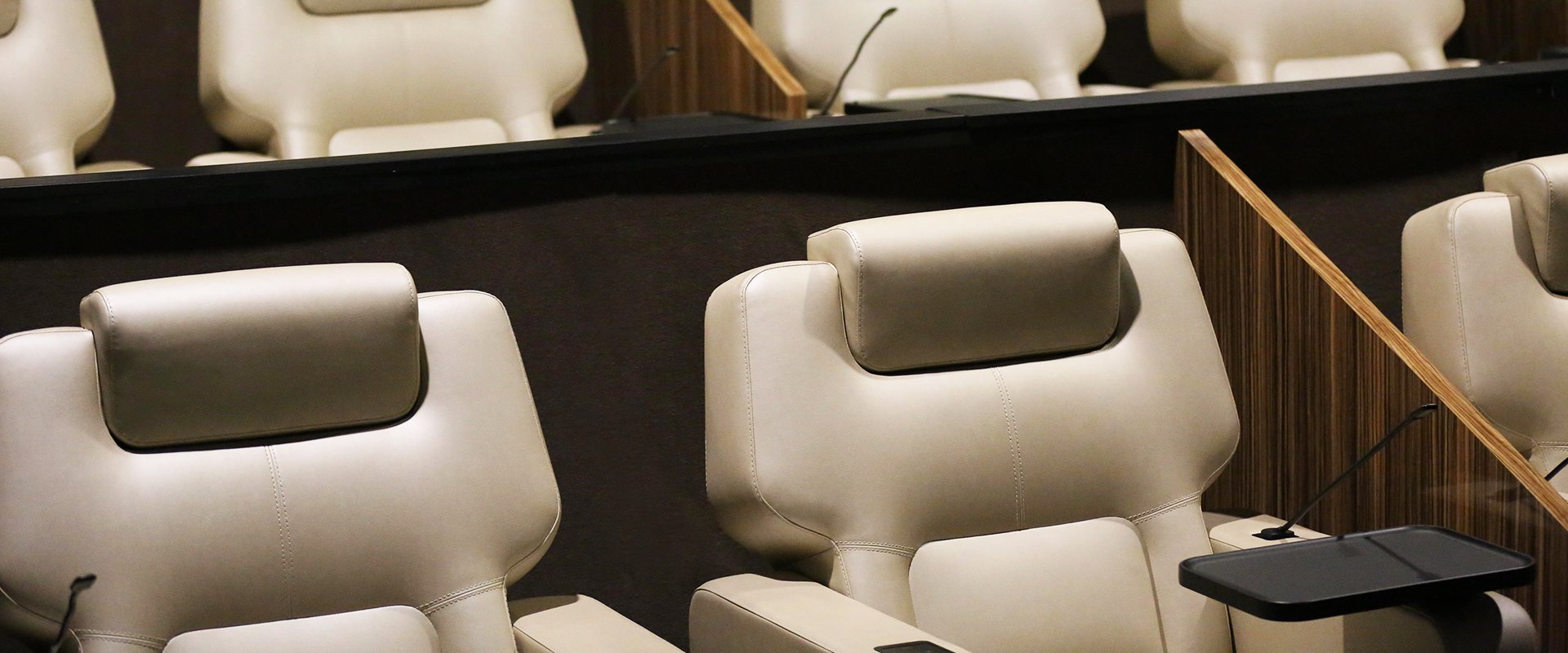
Today, Figueras cinema seats, installed in premier movie theatres worldwide, are not just seats but emblems of our over 95-year commitment to unparalleled comfort and style. Tailored to fit any venue, these seats embody both durability and functionality, reflecting our deep understanding of what real cinemagoers cherish.
As we continue to evolve, our focus remains steadfast: to design and manufacture state-of-the-art cinema seats that transform the movie theatre experience into something truly unforgettable. Our seating solutions are more than functional; they are a journey through time and space, promising comfort and an immersive experience that resonates with the magic of cinema.
Take the first step,
request a quote today
PROJECTS
SEGMENTS
FAQs
What are the key requirements for cinema seating?
Cinema seating must provide sustained comfort, durability and consistent viewing conditions. Seat ergonomics, spacing and alignment are defined to support long screening sessions while maintaining clear sightlines and efficient use of the auditorium.
How does seating influence sightlines and viewing angles?
Seat geometry, spacing and rake determine how audiences perceive the screen from different positions. Proper definition of these parameters ensures unobstructed views and consistent visual experience across the seating area. This is a defining factor in cinema seating layouts, where viewing consistency is essential.
How is comfort addressed in long screening sessions?
Comfort in cinema seating is addressed through ergonomic seat design, appropriate legroom and materials suited to prolonged seated use. Posture support and seat geometry are defined to reduce fatigue during extended screenings.
How does seating contribute to the overall cinema experience?
Seating directly influences how audiences experience the screening, affecting comfort, immersion and perception of quality. Well-designed seats support engagement without distracting from the cinematic experience. This contribution is central to the perceived quality of cinema seating in contemporary theatres.
How does seating integrate with acoustic design in cinemas?
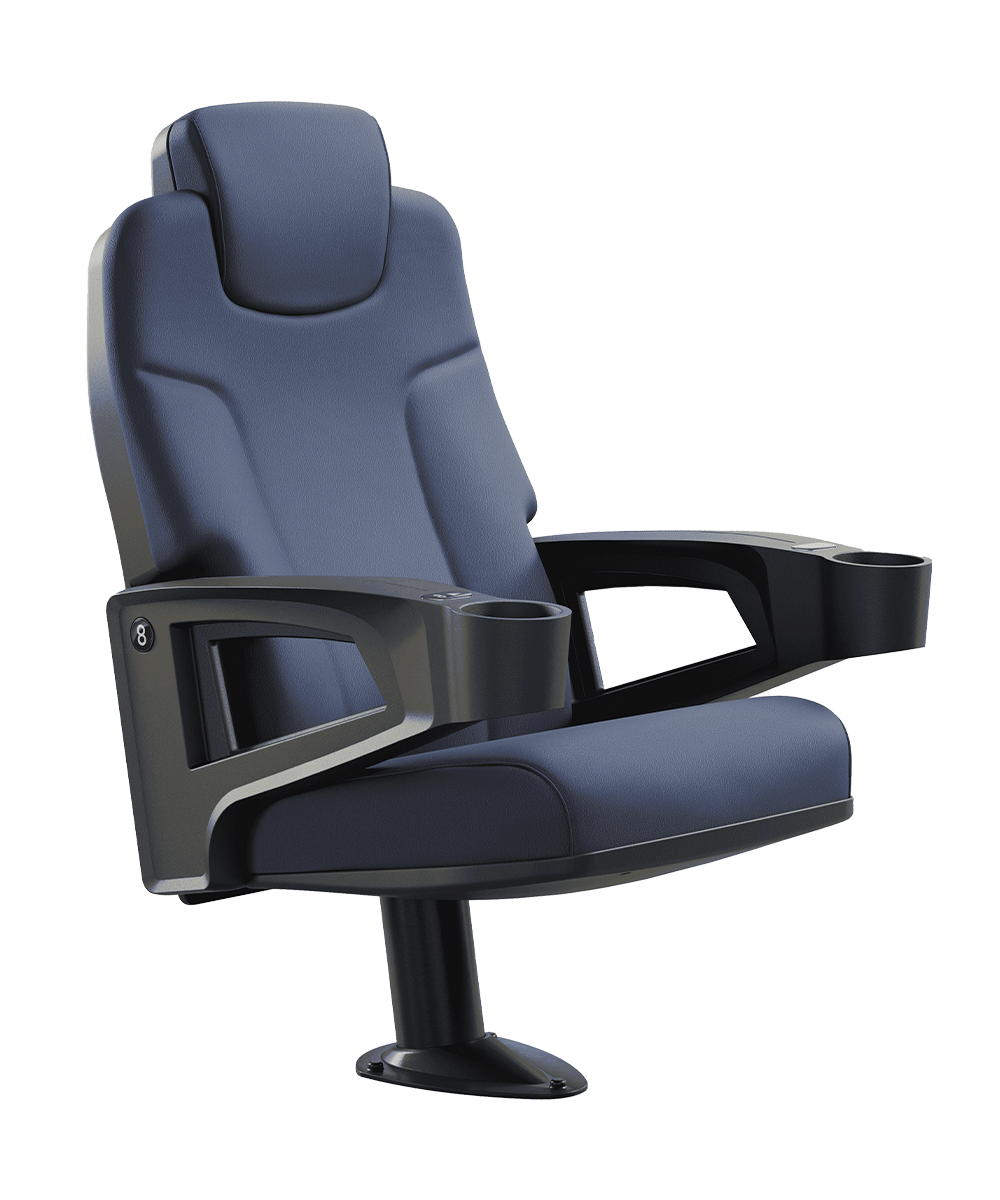
Seats interact with acoustic performance through their materials and geometry, influencing sound absorption and distribution within the auditorium. Coordination with acoustic design helps ensure balanced sound performance across occupied and unoccupied conditions.
Can cinema seating be adapted to different room formats?
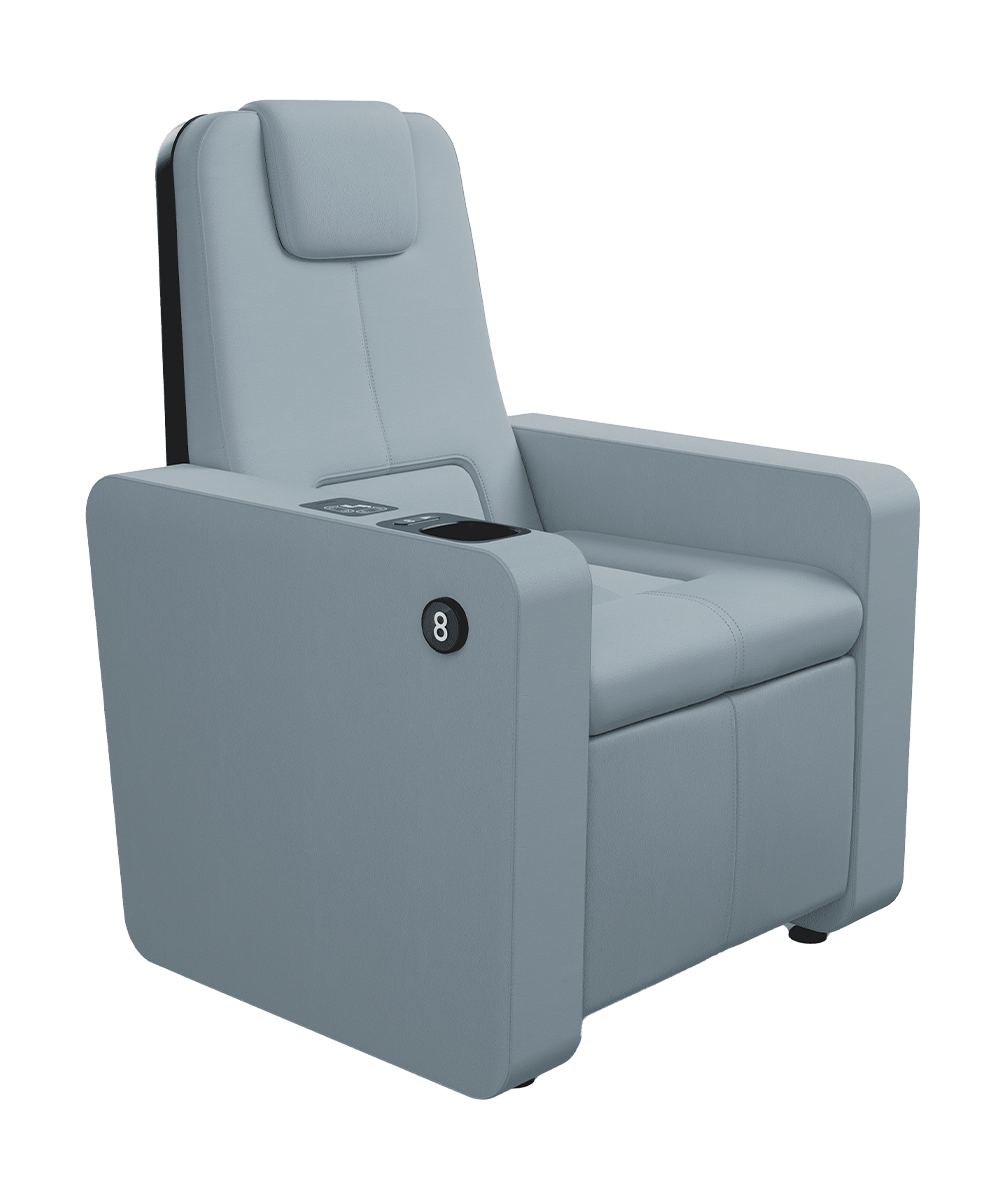
Yes. Cinema seating can be adapted to different auditorium sizes, layouts and slopes by adjusting seat spacing, layout geometry and typology to suit the specific characteristics of each room.
What durability considerations apply to cinema seating?
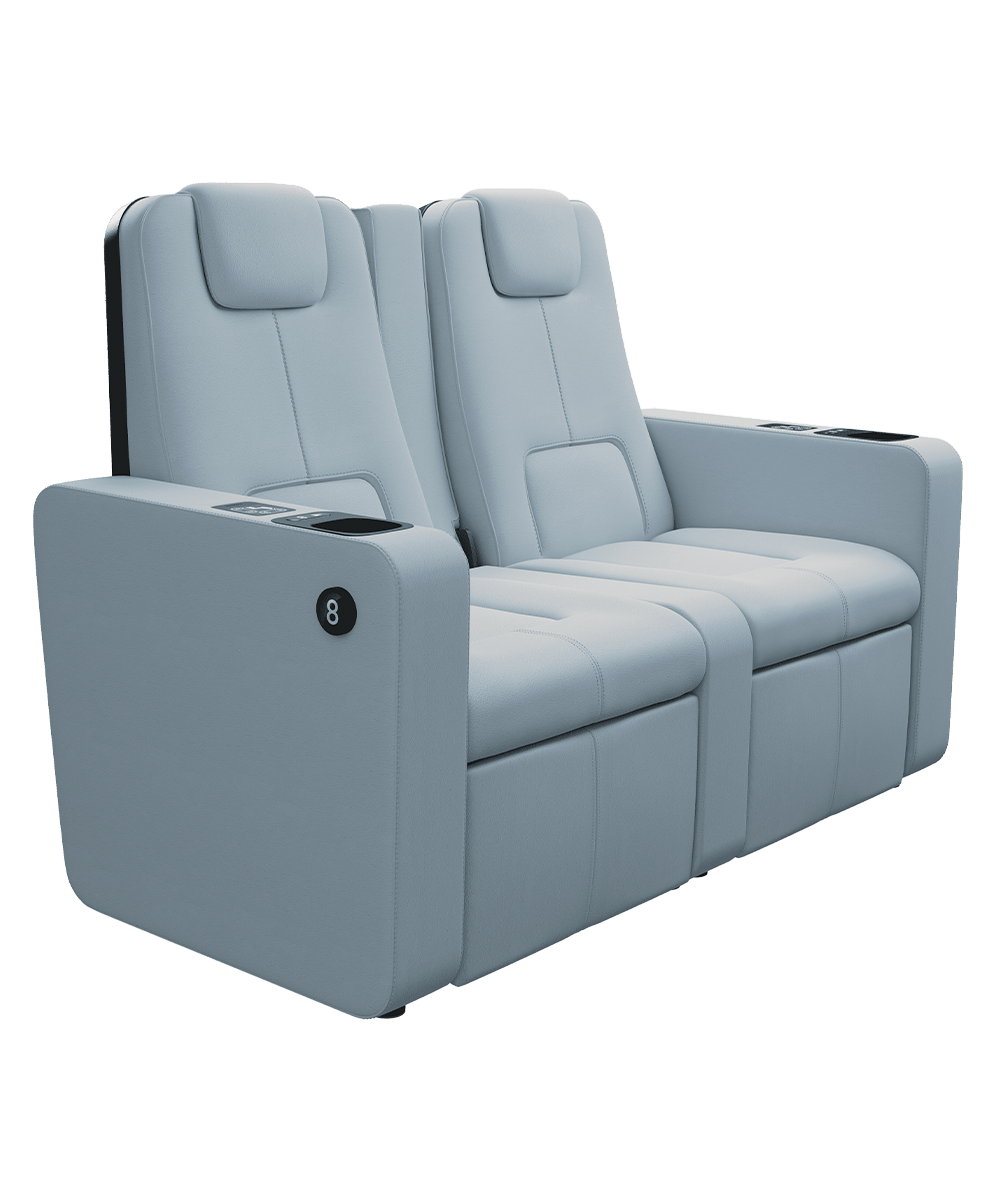
Cinema seating is designed for frequent use and high occupancy rates, requiring materials and construction systems that maintain performance over time. In this context, solutions such as Figueras Integral Form system, where foam and upholstery are integrated into a single, sealed unit, help improve durability, hygiene and ease of maintenance. By reducing seams and exposed fixings, it supports a consistent appearance, simplifies cleaning processes and contributes to long-term performance in cinema environments with intensive daily use.
How does seating layout affect circulation and access?
Seating layout influences aisle distribution, access routes and audience flow within the auditorium. Proper planning supports safe circulation, efficient entry and exit, and overall user comfort, while ensuring compliance with safety and accessibility requirements throughout the cinema seating area.
How early should seating be considered in a cinema project?
Seating should be considered from the early design stages, as it is one of the defining elements of a cinema auditorium. Seat layout directly affects sightlines, screen positioning, acoustics, circulation and overall spatial efficiency, establishing the relationship between audience, screen and space. Early coordination is essential to ensure that architectural, technical and experiential requirements are aligned from the outset.
How does cinema seating adapt to different cinema formats and audience expectations?
Cinema seating can be adapted to different room formats, screen sizes and audience expectations by adjusting layout, spacing, comfort levels and seating typologies. As cinemas evolve to host a wider range of experiences, seating plays a key role in supporting differentiated formats while maintaining consistent sightlines, comfort and operational efficiency.